


For many people, the PPL, or Private Pilot License, is the first tangible step into the world of aviation.
The question often arises: what can you actually do with it?
The short answer is: surprisingly a lot – if you know what it is for and what it is not for.
By obtaining a PPL, you become eligible to fly aircraft independently, transport passengers, and plan your own flights – within an internationally recognized framework. This is not a student license, but a full pilot license that is accepted throughout Europe and in many other countries.
PPL training in practice
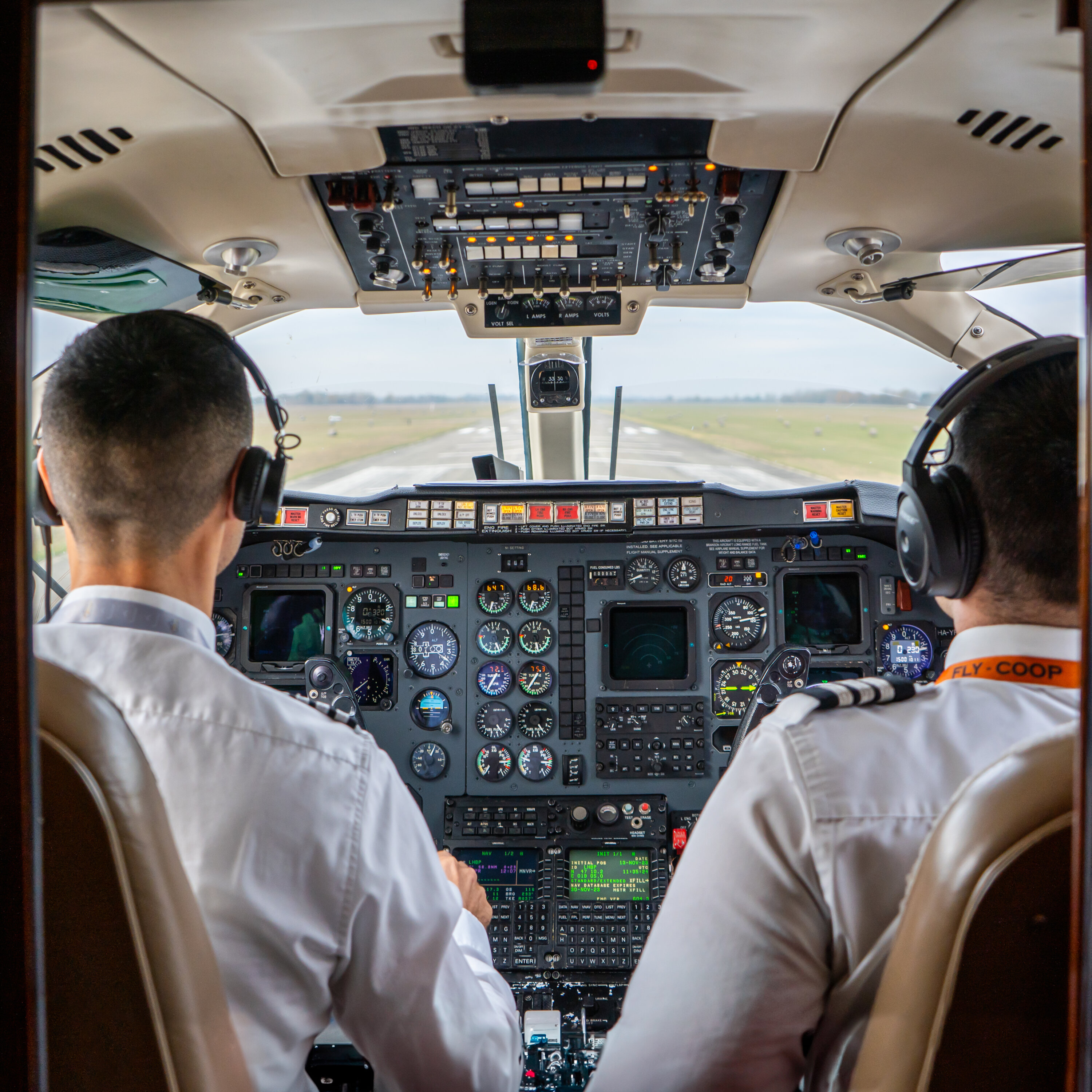
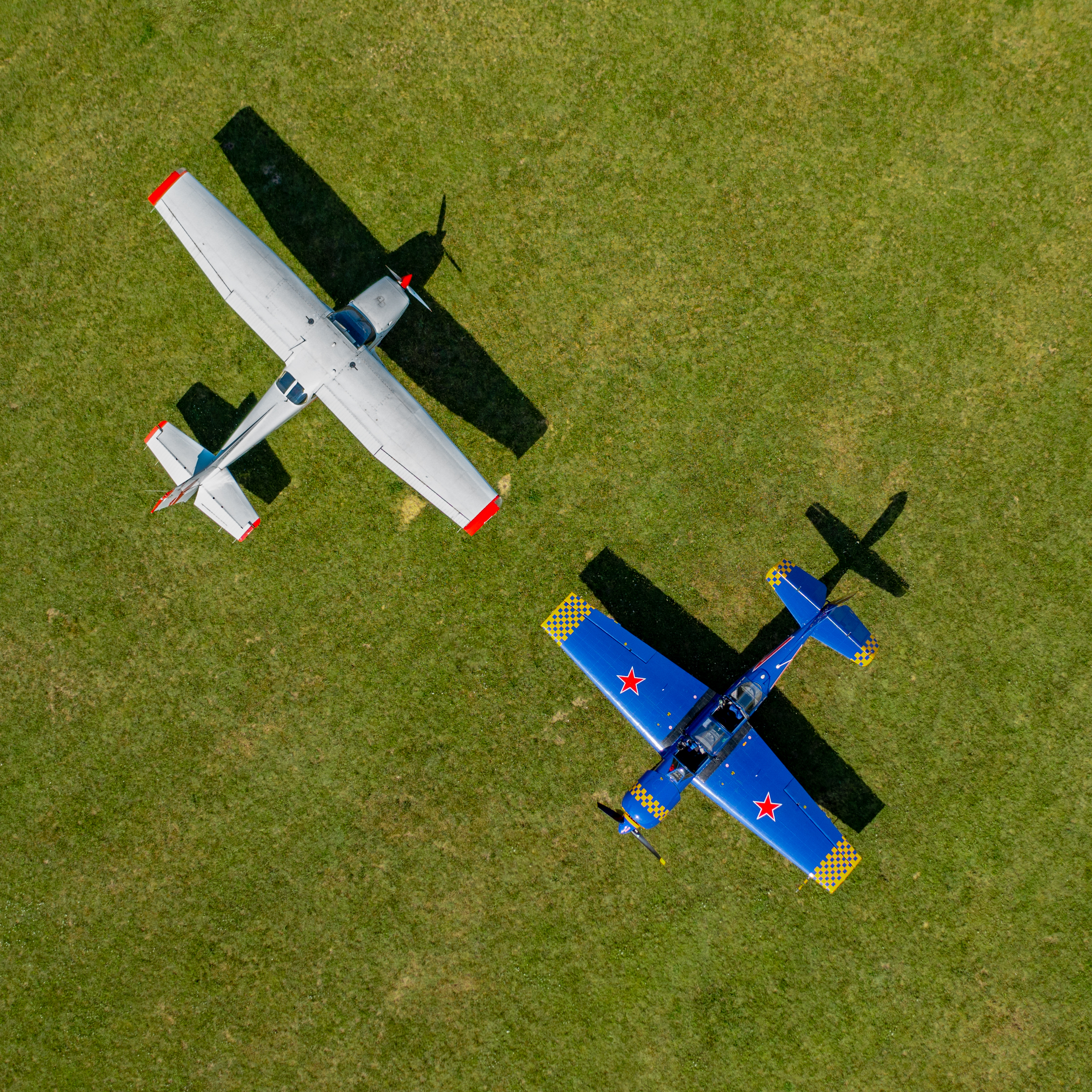
In practice, this means that a PPL pilot can take off in a small aircraft, plan a route, and fly to another airport, even across national borders. You can fly in daylight conditions, in good weather, and take family members and friends with you—and share the experience with them. However, it is important to note that a PPL does not entitle you to fly for commercial purposes, so you cannot accept money for flying.
One of the greatest values of PPL is independence. You don’t need an instructor on board, nor do you need a separate permit for each takeoff. The decisions are yours—within the limits of the rules and weather conditions, of course. This is the level where flying is no longer learning, but responsible practice.
Many people are unaware that PPL can be further expanded. With additional qualifications – such as instrument rating (IR) or multi-engine (ME) rating – flying opportunities expand significantly. These make flying less dependent on weather conditions and raise it to a higher technical level.
However, the PPL can be not only an end goal, but also a foundation. For those who later wish to become commercial pilots (CPL) and then airline pilots (ATPL), the PPL is the first official step on this path. It is here that the mindset, sense of responsibility, and flight routine on which further training is based are developed.
PPL training as a whole
It is important to be clear about the limitations. A PPL does not entitle the holder to transport passengers for remuneration, cannot be used for air taxi or charter operations, and is not suitable for working as a “part-time” pilot. These activities require higher-level licenses. The purpose of the PPL is not to earn a living, but to give you the freedom to fly.
Overall, PPL training teaches you to think and act like a pilot. It teaches you to take responsibility, make decisions, and safely operate a complex system. It can be a hobby, a way of life, or even the first step in a longer piloting career.
Ultimately, the question is not what it entitles you to on paper.
It’s what you want to use it for.
Contact us
Hebling Rita – Fly-Coop Academy Kft.
📞 +36 30 096 0374 | ✉️ academy@flycoop.hu
Szalai Nóra – Széchenyi István Egyetem
📞 96/613-733 | +36 20 346 3626 | ✉️ szalain@sze.hu
Further information: felveteli.sze.hu